The Complete Guide to Ear Wax Removal in Ruislip: Causes, Symptoms, Treatment & Prevention
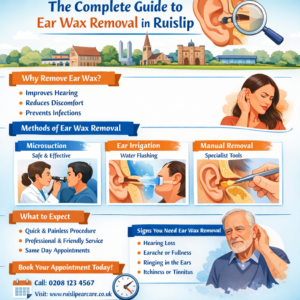
Ear wax, medically known as cerumen, is often misunderstood. Many people think of it as something dirty that needs to be removed regularly. In reality, ear wax plays an essential protective role in maintaining healthy ears.
However, when ear wax builds up excessively, it can cause discomfort, temporary hearing loss, and frustration. In some cases, it may even affect balance or contribute to tinnitus symptoms.
If you are experiencing blocked ears in Ruislip or surrounding areas, understanding what causes wax build-up and how it is safely treated can help you make informed decisions about your ear health.
This complete guide explains everything you need to know about professional ear wax removal and why microsuction is considered the safest and most effective method available today.
What Is Ear Wax and Why Do We Have It?
Ear wax is a natural substance produced by glands in the ear canal. It is made up of secretions from sebaceous and sweat glands combined with tiny skin cells.
Its purpose is protective.
Ear wax helps trap dust, bacteria, and small debris before they can travel deeper into the ear. It also has mild antibacterial properties, helping reduce the risk of infection. Additionally, it lubricates the ear canal, preventing dryness and irritation.
In most people, ear wax gradually moves outward naturally through jaw movement such as talking and chewing. This self-cleaning mechanism usually prevents build-up.
However, this process does not always work perfectly.
Why Does Ear Wax Become Impacted?
Ear wax becomes problematic when it accumulates faster than it can be naturally cleared.
Several factors increase the likelihood of impaction.
One common cause is the use of cotton buds. Although many people use them in an attempt to clean their ears, cotton buds often push wax deeper into the ear canal, compressing it against the eardrum.
Hearing aid users are also more prone to wax build-up. Hearing aids partially block the natural exit pathway for wax, leading to accumulation over time.
Frequent use of earphones or earbuds can have a similar effect.
Some individuals simply produce more wax than average. Others have naturally narrow or curved ear canals, making natural clearance more difficult.
As we age, ear wax can also become drier and harder, increasing the likelihood of blockage.
Symptoms of Ear Wax Blockage
Impacted ear wax can cause a range of symptoms that vary in severity.
The most common symptom is a feeling of fullness or blockage in the ear. Hearing may suddenly seem muffled or reduced.
Many people describe it as feeling like they are underwater.
Other symptoms may include:
• Difficulty understanding speech
• Increased television volume
• Ringing in the ears
• Mild dizziness
• Ear discomfort or itching
• Occasional coughing due to ear canal nerve stimulation
Symptoms may appear gradually or suddenly, especially after showering when water causes wax to expand.
If you experience sudden hearing loss, it is always advisable to seek professional assessment to determine whether wax is the cause.
The Risks of DIY Ear Cleaning
Attempting to remove ear wax at home can sometimes worsen the problem.
Cotton buds, hairpins, tissues, and other objects can push wax deeper into the canal, causing further impaction. They may also scratch the delicate skin inside the ear, increasing infection risk.
Ear candles are not medically recommended and have no scientific evidence supporting their effectiveness. In some cases, they may cause burns or introduce debris into the ear.
Over-the-counter ear drops can soften wax but do not always remove it completely. In cases of significant blockage, professional removal is usually required.
For safety and effectiveness, ear wax removal should be performed by trained professionals using appropriate medical equipment.
What Is Microsuction Ear Wax Removal?
Microsuction is widely regarded as the gold standard method of ear wax removal.
Unlike traditional ear syringing, microsuction does not use water. Instead, a small, medical-grade suction device is used to gently remove wax under direct visual guidance.
A specialist uses magnification equipment to clearly view the ear canal throughout the procedure. This allows for precise and controlled removal.
The process is typically quick and may take between 15 and 30 minutes depending on the level of build-up.
Because no water is involved, microsuction reduces the risk of infection and is suitable for most patients, including those with perforated eardrums or previous ear surgery.
Why Microsuction Is Safer Than Syringing
Traditional ear syringing uses water pressure to flush wax from the ear canal. While it was commonly used in the past, it carries certain risks.
Water irrigation may not be suitable for individuals with sensitive ears, ear infections, or eardrum issues. It can occasionally cause dizziness due to temperature changes in the ear.
Microsuction offers several advantages.
It is more precise because the practitioner can see the wax being removed in real time. It avoids moisture inside the ear canal, reducing infection risk. It is typically faster and provides immediate improvement in hearing.
For these reasons, microsuction has become the preferred method in modern audiology practice.
What to Expect During Your Appointment in Ruislip
When you attend your ear wax removal appointment, your audiologist will first examine your ears using specialist equipment to assess the level of build-up.
If wax impaction is confirmed, microsuction will be performed gently and carefully.
Most patients experience minimal discomfort. You may hear a soft suction sound during the procedure, which is normal.
In many cases, hearing improvement is immediate once the blockage is removed.
After the procedure, your audiologist may provide advice on preventing future build-up and maintaining ear health.
How Often Should You Have Ear Wax Removed?
There is no fixed schedule for ear wax removal because everyone produces wax differently.
Some individuals may require removal once every year or two, while others who wear hearing aids may benefit from more regular checks.
It is generally recommended to seek professional assessment if you notice symptoms of blockage rather than waiting for severe discomfort.
Routine ear examinations can also help prevent sudden hearing disruption.
Preventing Future Ear Wax Build-Up
Although you cannot completely stop wax production, there are ways to reduce the likelihood of impaction.
Avoid inserting cotton buds or other objects into your ears. The ear canal is delicate and self-cleaning.
If you wear hearing aids, ensure they are cleaned regularly to prevent wax accumulation.
Using professionally recommended ear drops occasionally may help soften wax for natural clearance, but these should only be used under guidance.
Most importantly, seek professional advice at the first sign of blockage rather than attempting home removal methods.
The Link Between Ear Wax and Hearing Performance
Even mild wax build-up can affect hearing clarity. For hearing aid users, wax blockage can interfere with device performance, causing distortion or reduced amplification.
Many patients are surprised to discover that what they assumed was worsening hearing loss was actually wax impaction.
Regular ear health checks ensure optimal hearing and device function.
When to Seek Immediate Attention
While most wax blockages are not emergencies, certain symptoms require prompt evaluation.
Sudden severe hearing loss, persistent pain, discharge from the ear, or prolonged dizziness should be assessed by a professional as soon as possible.
In many cases, wax removal provides rapid relief, but accurate diagnosis is essential.
Why Choose Professional Ear Wax Removal in Ruislip
Choosing an experienced audiology clinic ensures safe, effective treatment performed using advanced equipment.
Professional care reduces risk, provides immediate results, and protects your long-term ear health.
If you are experiencing blocked ears, muffled hearing, or discomfort, booking a professional microsuction appointment is the safest solution.
Book Your Ear Wax Removal Appointment Today
Clear hearing plays an essential role in communication, confidence, and daily comfort. When wax build-up interferes with your hearing, it can affect many aspects of life.
Professional microsuction ear wax removal offers a fast, safe, and effective solution.
If you are in Ruislip or surrounding areas, book your appointment today and restore your hearing with expert care.
Lorem ipsum dolor sit amet, consectetur adipiscing elit. Ut elit tellus, luctus nec ullamcorper mattis, pulvinar dapibus leo.